
Bet settlement rules: void, postponed, dead heat & Rule 4
Last updated: 2026-07-14 · Written by Thomas Berg · 🌐 Ler em português · 🌐 Leer en español
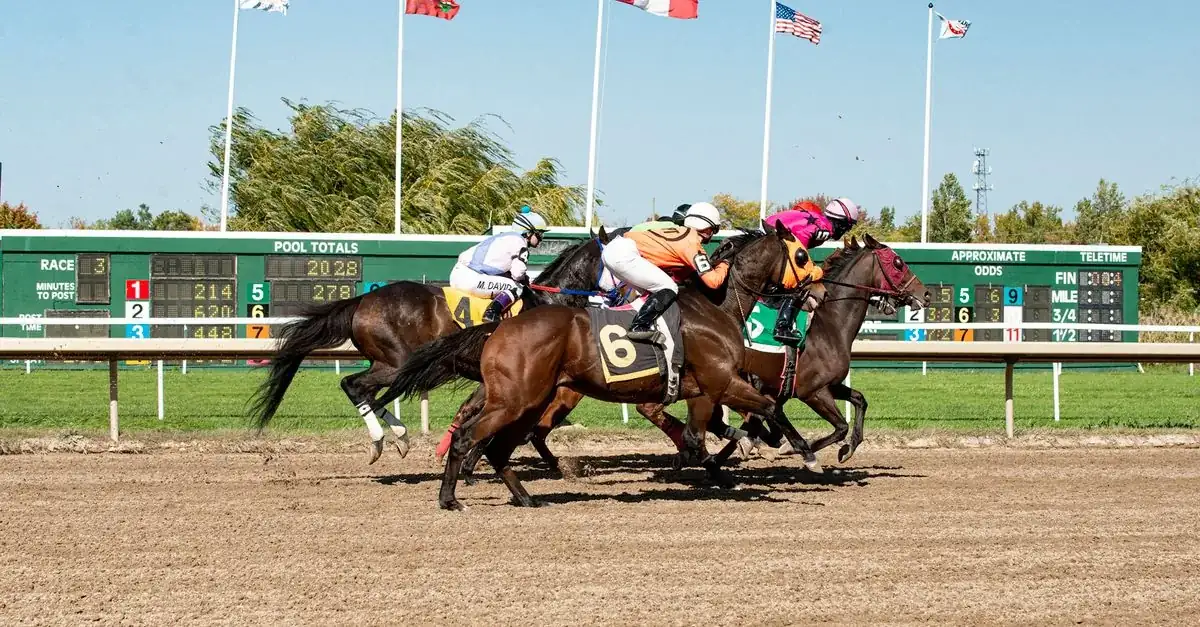
Most bets settle cleanly — you win or you lose. The confusion starts with the awkward cases: a match called off, a player who doesn't start, two horses crossing the line together. Here's what actually happens to your money in each, in plain English. The golden rule: settlement follows the operator's published rules, so the specifics vary — but the principles below are near-universal.
Void bets — stake back, no win, no loss
A void bet is cancelled and settled at odds of 1.00: your stake is returned and nothing is won or lost. Common triggers:
- An event is postponed or abandoned and not replayed within the book's time window.
- A non-runner in racing (a horse withdrawn before the off).
- A clear pricing/palpable error, or a market that can't be settled fairly.
In an accumulator, a void leg is normally removed and the bet recalculated on the remaining legs — the whole slip doesn't die because one leg voided.
Postponed & abandoned matches
This is the one that trips people up most, because rules differ. Typically:
- Postponed: if the fixture is replayed within the operator's window (often 24–72 hours), bets usually stand; if not, they're voided.
- Abandoned in play: markets already decided before the abandonment (e.g. "first team to score" once a goal is in) are often settled; undecided markets are voided.
Because the window and the "already decided" logic vary by book, this is exactly the kind of small print worth reading before a bet — part of choosing a site you can trust.
Dead heat — a tie splits the stake
A dead heat is when two or more selections tie for a position (common in racing and "top goalscorer" markets). The book applies a dead-heat reduction: your stake is divided by the number of selections tying, and that fraction is paid at full odds — the remainder is lost.
| Situation | Settlement on a $10 bet at 5.00 |
|---|---|
| Clean win | $10 × 5.00 = $50 returned |
| 2-way dead heat | Half stake ($5) wins: $5 × 5.00 = $25 returned |
| 3-way dead heat | One-third ($3.33) wins: ≈ $16.67 returned |
Rule 4 — deductions for a non-runner
When a horse is withdrawn after betting has started but before the race is re-priced, the remaining horses become more likely to win — so bookmakers apply a Rule 4 deduction to winning bets struck at the earlier, longer odds. The size of the deduction depends on the withdrawn horse's price: a short-priced non-runner (a strong favourite) means a bigger deduction; a long-priced one, little or none. It's taken out of your winnings, not your stake.
Why this matters
None of these rules are a scam — they keep settlement fair when reality gets messy — but they do change what you actually collect, and they differ between operators. Before a bet that could be affected (bad weather, doubtful runners, tight finishes), it's worth knowing the book's stance. And as always, the margin sits inside the odds whatever the settlement.
Related guides
- Accumulators & parlays — how a void leg is handled in a multi.
- Each-way betting explained — where dead heats and places matter most.
- Outright & futures betting — ante-post non-runners and dead heats.
- Cash out explained — settling a bet early, before these cases apply.
- How betting odds work — read the prices these rules adjust.