
Why betting odds move: line movement & steam explained
Last updated: 2026-07-14 · Written by Sofia Reyes · 🌐 Ler em português · 🌐 Leer en español
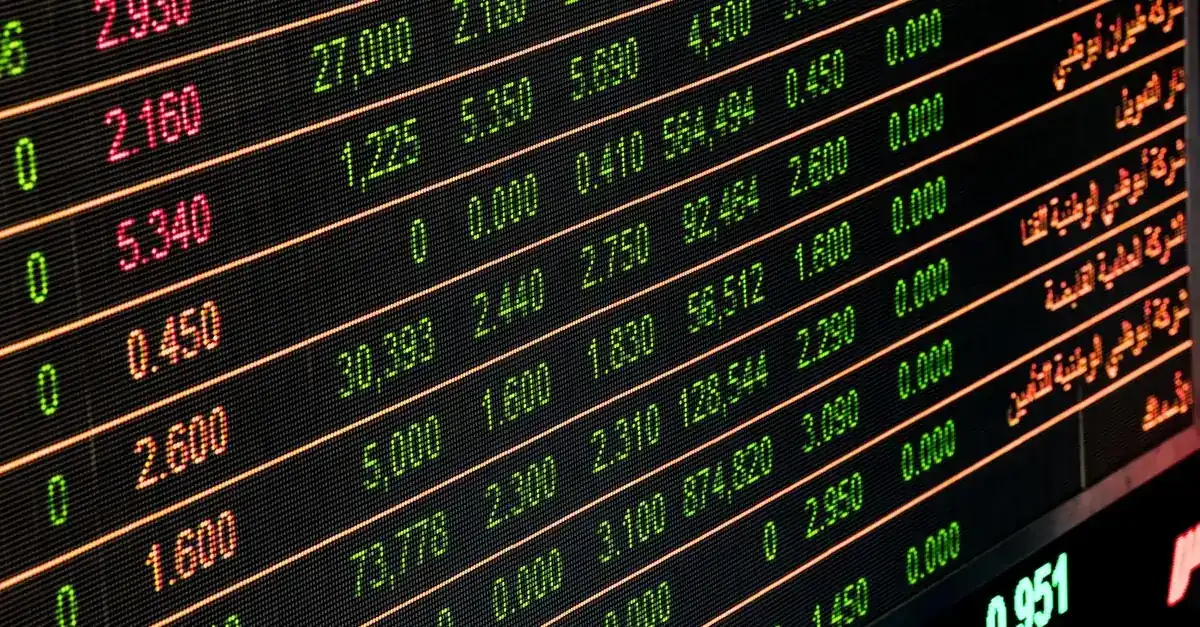
You spot a price, get distracted, come back — and it's changed. Odds are not fixed; they drift and jump from the moment a market opens until it closes. Understanding why a line moves tells you a lot about how sportsbooks work, and why the exact price you took can matter more than which side you picked.
Two forces move every line
- Information. Anything that changes the real probability of an outcome — an injury, a confirmed lineup, weather, a suspension, late team news. When the true chance shifts, a fair price has to shift with it.
- Money. A sportsbook also moves prices to manage its exposure. If far more money lands on one side, the book shortens that price and lengthens the other to pull betting back toward balance and cap its risk.
Most moves are a blend of the two. A price is really the book's current estimate of probability plus its margin, updated continuously.
Opening vs closing line
The opening line is the book's first estimate, often posted with lower limits because it has the least information. The closing line — the final price before the event starts — has absorbed all the news and money and is the market's sharpest estimate of the true probability. That's why the closing line is the benchmark serious bettors measure themselves against: consistently beating it is the clearest early sign of an edge, the idea of closing line value.
What "steam" means
Steam is a fast, sharp move on the same market across many books at once — usually respected "sharp" money hitting a price the syndicates think is wrong. When a line steams, books move quickly to avoid being left offering a stale number. A related term, a reverse line move, is when the line moves against the side most bets are on — a sign that a smaller amount of sharp money outweighs the public volume.
Chasing steam after it's moved rarely helps: by the time you see it everywhere, the value was in the earlier price, not the new one.
Why the price you took matters
Because the closing line is the sharpest estimate, the gap between your price and the close is meaningful. Take a team at 2.10 and watch it close at 1.85, and you bought a better number than the final market — evidence you were on the right side of value, whatever the result of that one game. Take 1.85 on something that closes at 2.10 and the reverse is true. Our odds converter makes it easy to compare prices and their implied probabilities as a line moves.
What this means for you
You don't need to trade lines to use this. Two practical takeaways: late team news can be decisive, so a price can be "wrong" simply because it hasn't updated yet; and the number you take is a real decision, not just a detail — shopping for the best available price across licensed books is the simplest edge there is. Just remember the margin is baked into every price, moving or not.
Related guides
- Value betting explained — closing line value and where an edge comes from.
- How betting odds work — read any price and its implied probability.
- The bookmaker margin (vig) — the cost inside every line.
- In-play (live) betting explained — odds that move second by second.