
Horse racing betting explained (win, place, show, exacta, trifecta, superfecta)
Last updated: 2026-07-29 · Written by Elena Kovač
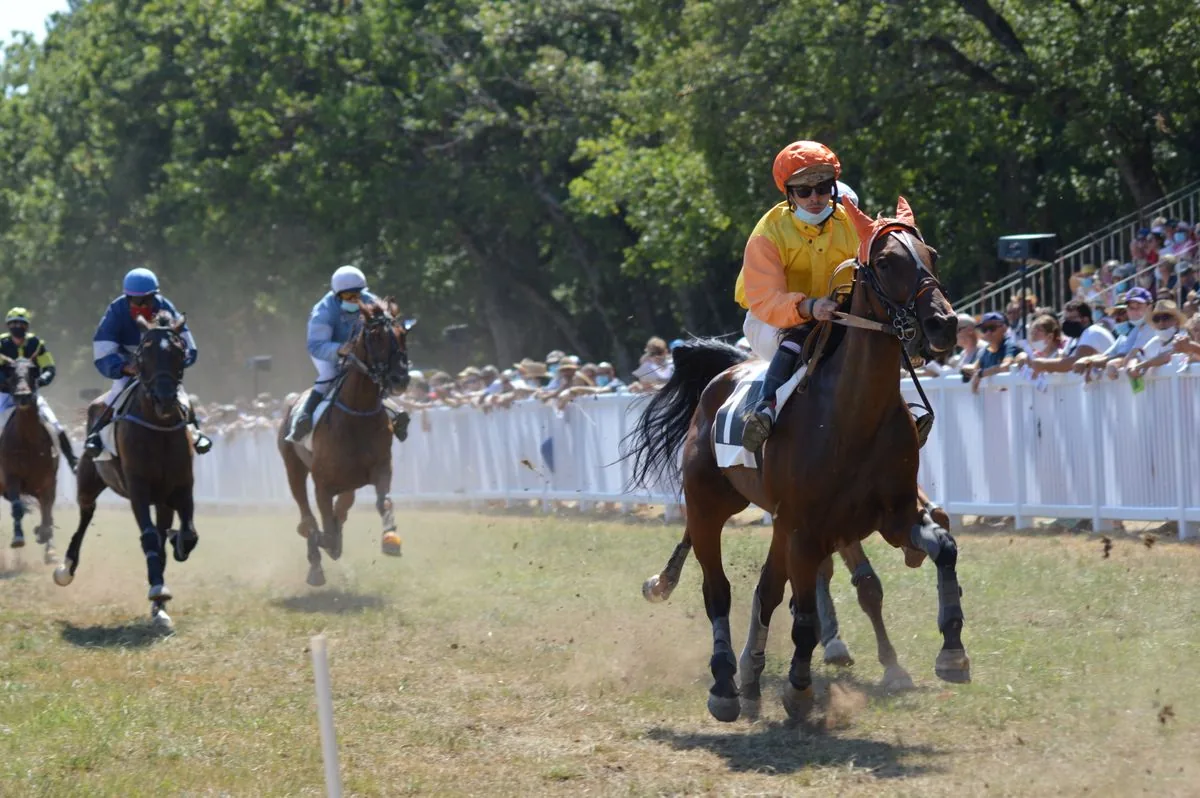
Horse racing runs on its own betting vocabulary, split into two families: straight bets, where you pick one horse for one outcome, and exotic bets, where you pick multiple horses across multiple finishing positions for a much bigger payout. Here's what each bet type actually requires to win, and the box/wheel/key terms that make exotics manageable instead of a single all-or-nothing guess.
Straight bets: win, place, show
The three basic wagers, from hardest to easiest: a win bet pays only if your horse finishes first. A place bet pays if your horse finishes first or second. A show bet pays if your horse finishes first, second or third. Each easier bet pays less — a show bet on the favourite might barely beat your stake back, while a win bet on a long shot can pay many times over. These three are the entry point to racing; everything else in this guide builds on picking a finishing position correctly.
Exacta: two horses, exact order
An exacta requires you to pick which horse finishes first and which finishes second, in that exact order. Get the top two right but reversed, and a standard exacta loses (an "exacta box," covered below, fixes that). Because you're now predicting two positions instead of one, the field of possible outcomes grows fast, and so does the payout relative to a win bet on the same horses.
Trifecta and superfecta: three and four horses, exact order
A trifecta extends the same idea to three positions — first, second and third, in exact order. A superfecta goes to four — first through fourth, in exact order. Each additional position multiplies the number of possible finishing combinations, which is exactly why superfectas pay dramatically more than trifectas, and trifectas pay dramatically more than exactas: you're betting against a much larger field of possible outcomes for the same handful of horses.
Box, wheel and key: making exotics playable
Nailing an exact 1-2-3-4 order on a superfecta with one guess is genuinely hard, so racing offers ways to cover more combinations for a higher total stake. A box bet covers every possible order of your selected horses — box four horses in a superfecta and you win if they finish in the top four in any order, not just the one you originally picked, at the cost of paying for every combination. A wheel lets you lock in one or more horses for specific positions while leaving other positions open to multiple horses — a common structure is keying a strong favourite for first and wheeling several other horses for the remaining spots. A key bet is the exacta/trifecta version of the same idea: you pick one "key" horse that must finish in a specific position, then box several other horses for the remaining spot or spots.
Why exotic bets are harder value than they look
A superfecta box covering six horses isn't one bet at one price — it's every combination of those six horses across four positions, each costing its own stake, and the total cost adds up fast even at a low minimum bet. The eye-catching payout you see quoted for a trifecta or superfecta is for a single winning combination; most box and wheel strategies mean you're also paying for many combinations that don't win. Treat the total cost of the bet — every combination included — as your actual stake, not the per-combination minimum, before deciding whether the payout odds are worth it. The same bankroll discipline that applies to any bet type applies here: see bankroll management and staking explained.
FAQ
- What's the difference between an exacta, trifecta and superfecta? An exacta needs the first and second-place finishers picked in exact order. A trifecta extends that to first, second and third in exact order. A superfecta extends it further to first through fourth in exact order. Each extra position multiplies the possible combinations, which is why superfecta payouts are dramatically bigger than exacta payouts.
- What does 'boxing' a bet mean in horse racing? Boxing covers every possible finishing order of your selected horses instead of just one specific order. Box four horses in a superfecta and you win if they finish in the top four in any order — but you're paying for every combination included in the box, not a single stake.
- Are win, place and show bets easier to win than exotic bets? Yes — win, place and show bets only require predicting one horse's finishing position (first, top two, or top three respectively), while exotic bets like exacta, trifecta and superfecta require multiple horses to finish in a specific order. That's exactly why exotics pay far more: you're betting against a much larger number of possible outcomes.
Related guides
- Outright and futures betting explained
- Bankroll management and staking explained
- Value betting explained
- Line shopping comparing odds explained