
European vs American roulette: the house edge explained
Last updated: 2026-07-29 · Written by Priya Nair
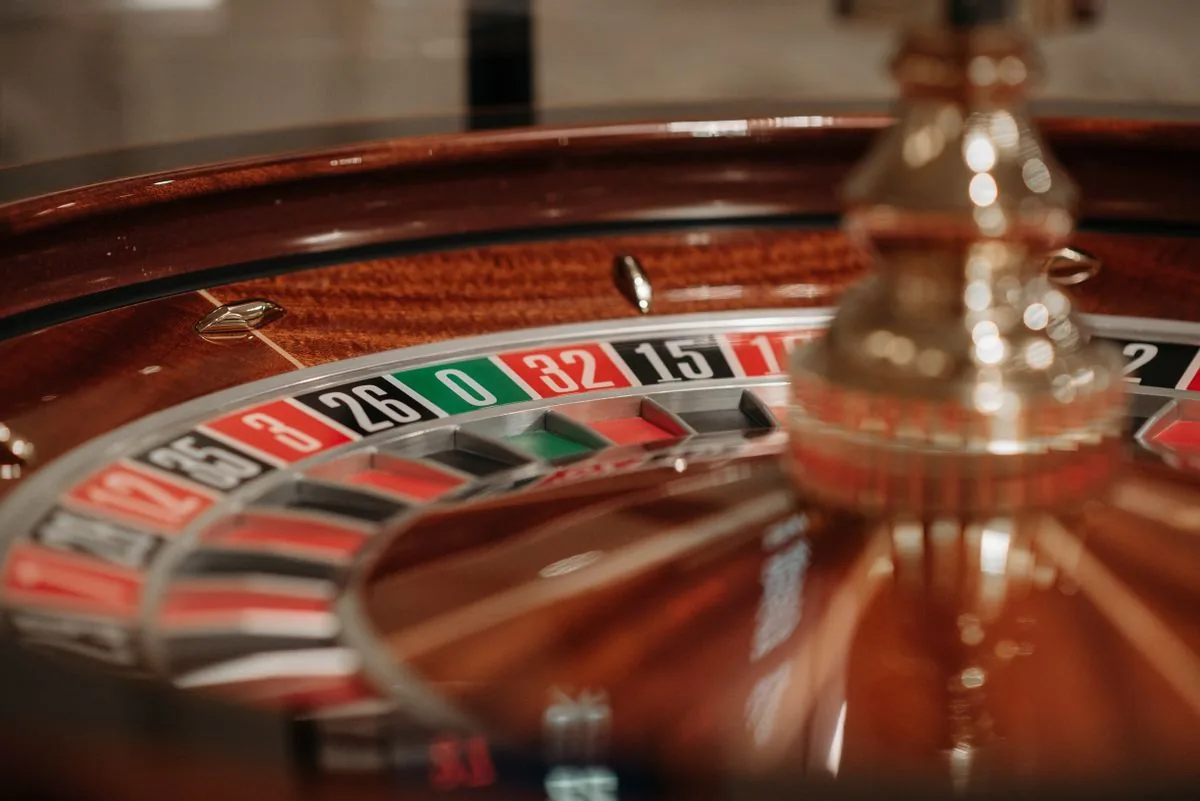
Two roulette wheels, one extra pocket, and the house edge nearly doubles. European roulette runs at 2.7%; American roulette runs at 5.26%. There's no strategy or betting system involved in that gap — it's purely a difference in how many numbers the wheel has, and it's the single most important thing to know before you sit down at either table.
The wheels: 37 pockets vs 38
European roulette has 37 pockets — the numbers 1 through 36, plus a single zero. American roulette has 38 — the same 1 through 36, plus a zero and a double zero (00). That single extra pocket is the entire difference between the two games. Every bet on the table pays out at odds set for a wheel that doesn't have that second zero, so the house's actual edge is bigger than what the payout odds imply — the double zero is where that gap lives.
Why one pocket moves the edge from 2.7% to 5.26%
A straight bet on a single number pays 35 to 1 on both wheels. On a 37-pocket European wheel, your true odds of hitting are 1 in 37 — the house edge from that gap between true odds and payout odds works out to 2.7%. On a 38-pocket American wheel, your true odds drop to 1 in 38, but the payout is still 35 to 1 — so the house edge roughly doubles, to 5.26%. This isn't specific to straight-up bets either: because the double zero adds a pocket that virtually every bet type (except a five-number "basket" bet unique to the American wheel) loses to, the 5.26% figure applies across nearly the whole American betting layout.
The rule that cuts the edge further: la partage and en prison
Some European and French tables add a rule for even-money bets (red/black, odd/even, high/low) that lowers the edge even more. Under la partage, if the ball lands on zero, you lose only half your even-money stake instead of the whole thing. En prison goes further: instead of losing half immediately, your stake is "imprisoned" for the next spin, and you get it back in full if that next spin wins. Either rule roughly halves the house edge on even-money bets specifically, from 2.7% down to about 1.35% — genuinely the best mathematical position you can find at a standard roulette table, though it only applies to those specific even-money bets, not the whole layout.
Why it matters more than any betting system
No betting progression — Martingale, Fibonacci, or anything else — changes the underlying house edge; each spin is independent, and no sequence of bet sizes alters the odds of the next one. Picking the wheel with fewer pockets is the only decision at the table that actually moves the math in your favour, and it costs nothing to make. If a site or app offers both European and American roulette, there's no scenario where the American wheel is the better choice purely on the numbers.
FAQ
- Why is American roulette worse odds than European roulette? American roulette has 38 pockets (adding a double zero to the standard 36 numbers plus zero) instead of European roulette's 37. That one extra pocket lowers your true odds of winning any given bet without changing the payout, roughly doubling the house edge from 2.7% to 5.26%.
- What is la partage in roulette? La partage is a rule on even-money bets (red/black, odd/even, high/low) where, if the ball lands on zero, you get back half your stake instead of losing it all. It roughly halves the house edge on those specific bets, from 2.7% to about 1.35%.
- Does a betting system like Martingale beat the house edge in roulette? No. Each spin is statistically independent, so no sequence of bet sizes changes the underlying odds of the next spin. Choosing a European wheel over an American one is a real mathematical edge; a betting progression is not.
Related guides
- House edge explained
- Blackjack basic strategy explained
- Bankroll management and staking explained
- Kelly criterion staking explained