
World Cup 48-team format explained (how the new Round of 32 changes betting)
Last updated: 2026-07-30 · Written by Priya Nair
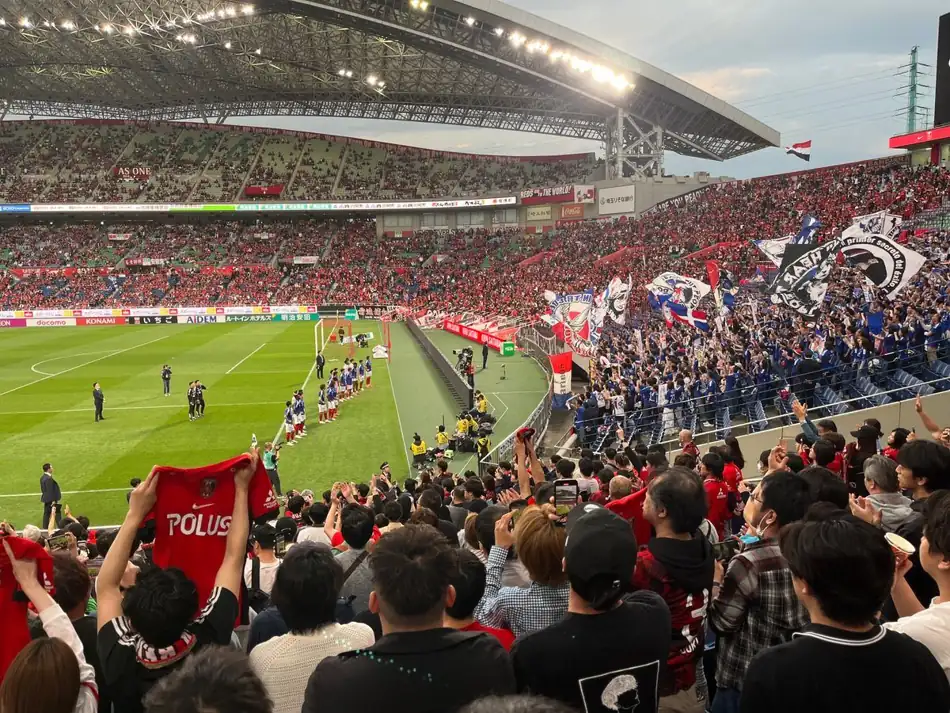
The 2026 World Cup expanded from 32 teams to 48, the tournament's biggest structural change since it grew to 32 in 1998. The field now splits into 12 groups of four instead of eight groups of four, and a new Round of 32 sits between the group stage and the round of 16 — changes that ripple through nearly every betting market built around the tournament.
The new bracket: 12 groups, an extra knockout round
Forty-eight teams split into 12 groups of four, and instead of only the top two per group advancing like the old 32-team format, the top two from each group qualify automatically plus the eight best third-place finishers across all 12 groups — two-thirds of the entire 48-team field reaches the knockout stage. That qualifying pool feeds a newly added Round of 32, which didn't exist under the previous format and sits directly before the round of 16. The tournament now runs 104 matches total, up from 64 in 2022, and a team lifting the trophy has to win eight matches from group stage to final rather than seven.
Why group stage bets are easier to win, and why that's priced in
With two-thirds of the field advancing rather than half, most groups now have only one team genuinely at risk of missing the knockouts, which makes straightforward group-winner or advance-to-knockouts bets noticeably safer than under the old format — and sportsbooks have adjusted group-stage odds accordingly, so "easier to win" doesn't automatically mean better value. The bigger shift is for teams that finish third: under the old format, third place ended the tournament outright, but now a third-place finish can still qualify through the best-third-place-teams mechanism, which meaningfully changes how a group-stage market should price a team's realistic floor.
Why old outright and futures odds don't carry over
A team now needs to win eight matches to lift the trophy instead of seven, one extra knockout game built entirely around the new Round of 32 — any outright-winner logic built on the previous 32-team path is out of date, since an extra round means an extra opportunity for upsets, fatigue and squad rotation to affect a favorite's run. This extra round particularly benefits mid-tier teams and squads with deeper benches: getting an extra knockout match to find form before facing a true contender is a real structural advantage that outright and futures markets have had to reprice from scratch rather than simply carrying forward 2022 pricing logic.
What this means for how you actually bet the tournament
Group-stage markets reward reading the specific group rather than assuming any team is safe purely because two-thirds of the field advances — a genuinely weak group can still leave a third-place team below the cutoff for the best-eight-third-place spots. For outright and futures bets, factor in that every team now plays one more match than in past tournaments, which slightly compresses the gap between traditional powerhouses and well-organized mid-tier sides with the squad depth to handle an extra knockout round. See outright and futures betting explained for how tournament winner markets are generally priced, and how that pricing needs to account for a bracket that's genuinely different from previous World Cups.
FAQ
- How many teams and groups are in the 2026 World Cup? 48 teams split into 12 groups of four, up from 32 teams in eight groups under the previous format. The tournament plays 104 matches total, compared to 64 in 2022.
- How does a team qualify for the knockout stage now? The top two finishers from each of the 12 groups advance automatically, plus the eight best third-place teams across all groups — two-thirds of the 48-team field reaches the newly added Round of 32.
- How many matches does a team need to win to become champion? Eight, one more than the seven required under the previous 32-team format, because of the newly added Round of 32 sitting between the group stage and the round of 16.
Related guides
- Outright and futures betting explained
- How to bet on the brasileirao explained
- Moneyline spread and totals explained
- In play live betting explained