
NASCAR & auto racing betting explained (outright, top finishes & driver matchups)
Last updated: 2026-07-30 · Written by Priya Nair
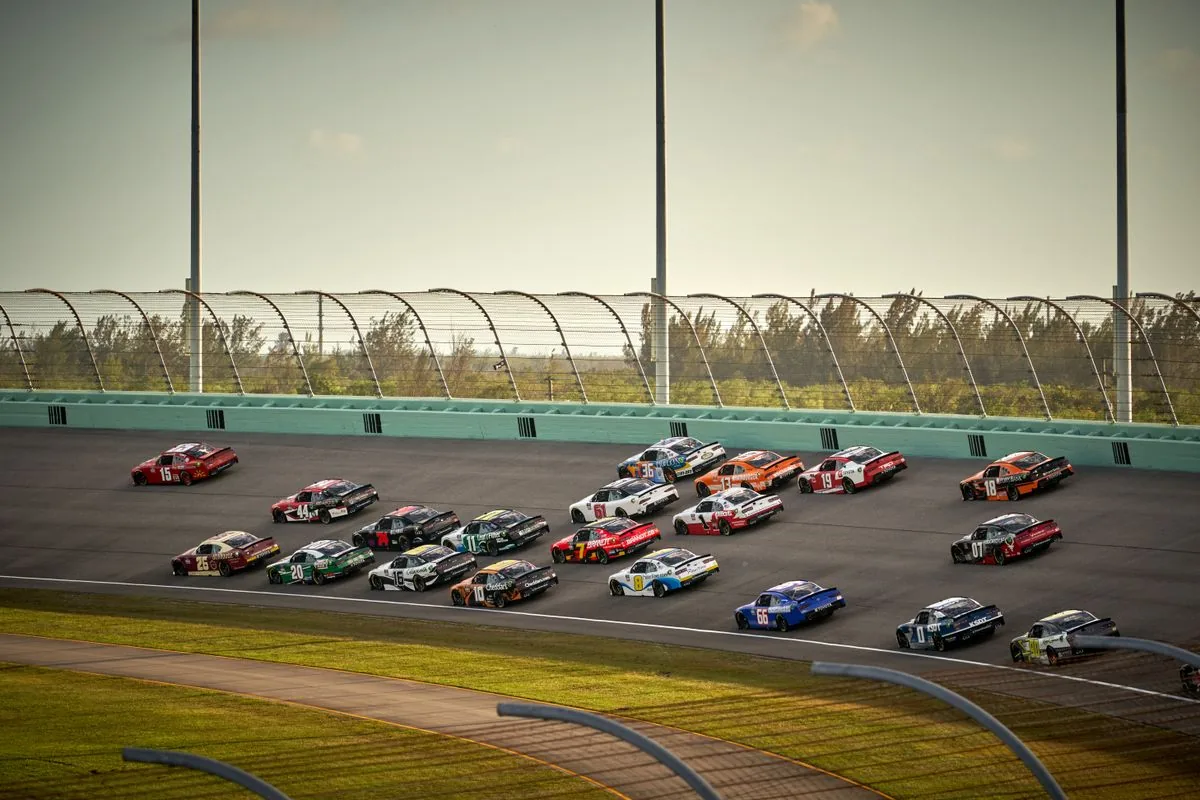
A NASCAR Cup Series race typically fields around 36-40 cars, which makes betting a single driver to win outright genuinely difficult — favorites are commonly priced between +400 and +800, and mid-tier or longshot drivers can sit at +2000 or higher. That field size shapes every market in NASCAR betting: the further a bet moves away from picking one exact winner, the more manageable the odds become.
Outright winner: the highest-variance NASCAR bet
An outright bet is a wager on one driver to win the race, full stop, and with 30+ cars on track and constant strategy variables — pit timing, tire wear, cautions — even the strongest favorite carries real uncertainty. This is the NASCAR equivalent of an outright golf or tennis-tournament bet: highest potential payout, but also the market where the field size works hardest against the bettor.
Top finishes: trading payout for a wider target
Top-finish markets ask a driver to place within a specified range by race's end — top 3, top 5 or top 10 — rather than win outright, and odds shorten as that range widens, since a top-10 finish captures far more of the realistic outcomes for a mid-pack car than an outright win does. This is the same underlying trade-off covered in golf betting explained for top-finish markets there: a wider band is statistically easier to hit, so the market pays less to compensate.
Driver matchups: removing the other 30-plus cars entirely
A head-to-head matchup bet pairs two named drivers, and the wager settles purely on which of the two finishes higher in the official race results — the bet wins as long as the selected driver beats the other, even if neither one comes close to winning the race outright. Odds work the same way any other two-way market does: a matchup priced Driver A -120 / Driver B +110 means backing the favorite requires risking $120 to win $100, while backing the underdog risks $100 to win $110. Removing the rest of the field from the equation is what makes this a fundamentally easier bet to price and predict than an outright.
Exacta and "either to win" bets
An exacta asks for the top two finishers in exact order — first and second place, correctly picked — which carries long odds for the same reason an exact single round pick does in golf: a very specific, narrow outcome inside a large field. An "either to win" bet is a simpler alternative that takes two drivers and pays out if either one wins the race outright, effectively combining two outright bets into a single wager priced at better odds than backing just one driver alone, since it doubles the number of ways to win at a smaller cost to the payout than betting both drivers separately would.
FAQ
- Why are NASCAR outright winner odds so long? A typical Cup Series field runs 30-40 cars, so even the strongest favorite faces real uncertainty from pit strategy, tire wear and cautions. Favorites commonly price between +400 and +800, with longshots often at +2000 or higher.
- How does a NASCAR driver matchup bet work? You pick which of two named drivers finishes higher in the official results. The bet wins regardless of whether either driver actually wins the race, as long as your pick beats the other driver — removing the rest of the field makes it far easier to price than an outright bet.
- What is an "either to win" bet in NASCAR? A single wager on two named drivers that pays out if either one wins the race outright. It combines two outright bets into one ticket, priced at better odds than backing just one driver alone since it doubles the ways to win.
Related guides
- Horse racing betting explained
- Outright and futures betting explained
- Golf betting explained
- In play live betting explained