
Formula 1 betting explained (driver vs constructor markets, and why qualifying matters more than the points table suggests)
Last updated: 2026-07-30 · Written by Priya Nair
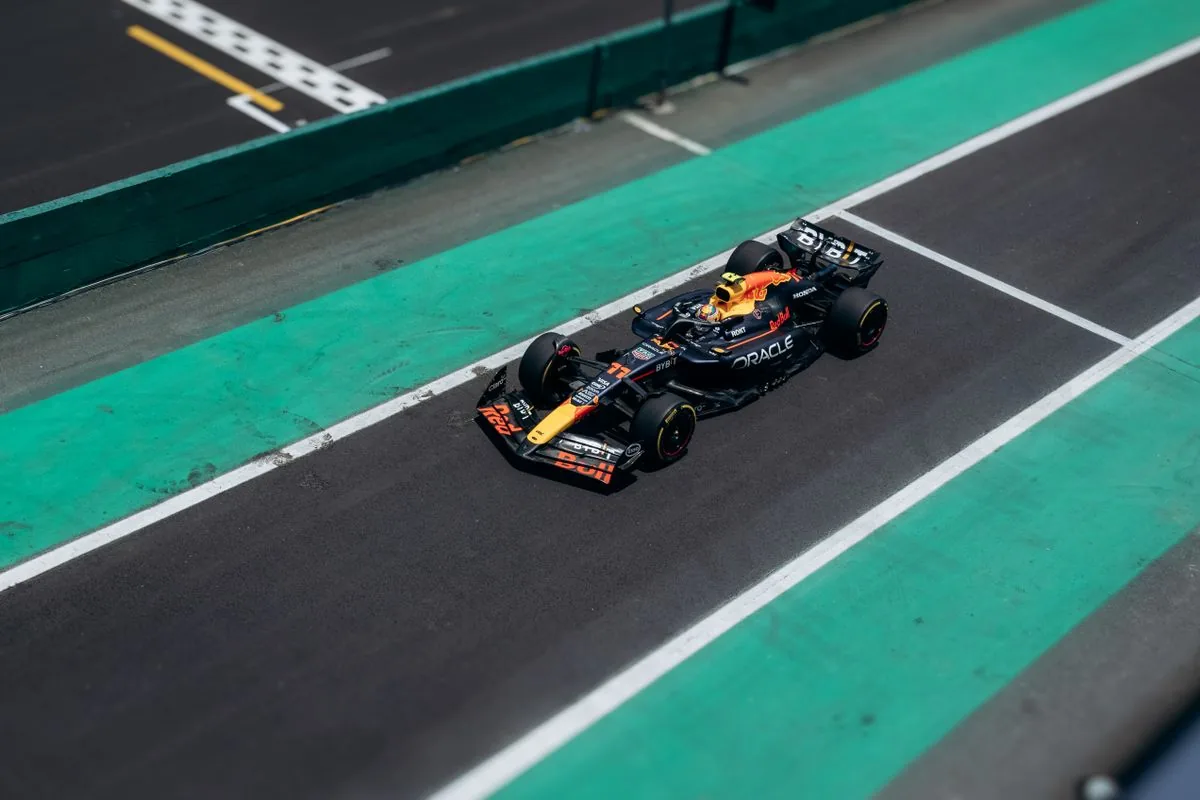
Formula 1 runs two separate championships in parallel — a Drivers' Championship and a Constructors' Championship — and that dual structure shapes almost every betting market the sport offers, from season-long outrights to single-race head-to-heads. Understanding how points actually accumulate, and why qualifying carries real weight despite awarding zero championship points on its own, is the base layer for reading F1 markets correctly.
The points system behind both championships
F1 awards points on a 25-18-15-12-10-8-6-4-2-1 scale to the top 10 finishers in a race, with an additional bonus point available to whichever driver sets the fastest lap — provided that driver also finishes in the top 10. The Drivers' Championship simply totals each driver's points across the season, while the Constructors' Championship adds together the points earned by both drivers on the same team, which means a team can lead the constructor standings even if neither of its individual drivers leads the driver standings, purely by both scoring consistently well.
Why qualifying matters even though it scores zero championship points
Qualifying itself earns no points toward either championship, but it sets the grid order for Sunday's race, which is exactly why it still moves markets meaningfully — starting position in F1 correlates strongly with finishing position specifically because overtaking is genuinely difficult on many circuits, unlike sports where starting position matters far less. A driver qualifying on pole is priced as a real favorite for the race win largely because of that grid-position advantage, not just raw car pace, which is why race-winner odds shift noticeably between Friday practice sessions and the post-qualifying market on Saturday.
Sprint weekends: an extra points opportunity mid-weekend
On designated sprint weekends, a shorter Saturday race awards points to the top eight finishers, separate from and in addition to Sunday's main Grand Prix points — sprint qualifying itself, unlike the main race's qualifying session, awards no points at all. This creates two separate result-based betting opportunities across a single race weekend rather than the usual one, and bettors need to track sprint results and Sunday's grid separately, since a strong sprint finish doesn't guarantee a strong grid position for the main event if a driver's sprint pace doesn't carry over to full-race qualifying conditions.
Reading the main betting markets
Outright markets bet on which driver wins the full-season Drivers' Championship or which team wins the Constructors' Championship, similar in structure to outright and futures betting explained for other season-long titles. Head-to-head markets ask which of two named drivers finishes ahead of the other in a specific race, settling purely on relative finishing position regardless of where either driver actually places overall — a backmarker beating another backmarker still cashes the bet even if neither finishes anywhere near the podium. Constructor points total markets for a single race ask bettors to predict a team's combined points haul from both its drivers rather than picking one driver's exact finish, which lets a bettor back a team expected to score well without needing to guess which specific driver leads that performance.
FAQ
- How are points awarded in a Formula 1 race? The top 10 finishers score points on a 25-18-15-12-10-8-6-4-2-1 scale, with a bonus point available to the driver setting the fastest lap, provided they also finish in the top 10.
- Why does qualifying matter for betting if it doesn't award championship points? Qualifying sets Sunday's grid order, and starting position correlates strongly with finishing position on many F1 circuits since overtaking is genuinely difficult. Race-winner odds typically shift noticeably right after qualifying because of that grid-position advantage.
- What's different about a sprint weekend compared to a normal race weekend? A sprint weekend adds a shorter Saturday race awarding points to the top eight finishers, separate from Sunday's main Grand Prix points. Sprint qualifying itself awards no points, unlike qualifying for the main race.
Related guides
- Nascar auto racing betting explained
- Outright and futures betting explained
- Moneyline spread and totals explained
- Horse racing betting explained