
Sic Bo explained (the three-dice game where house edge swings from 2.78% to over 30%)
Last updated: 2026-07-30 · Written by Priya Nair
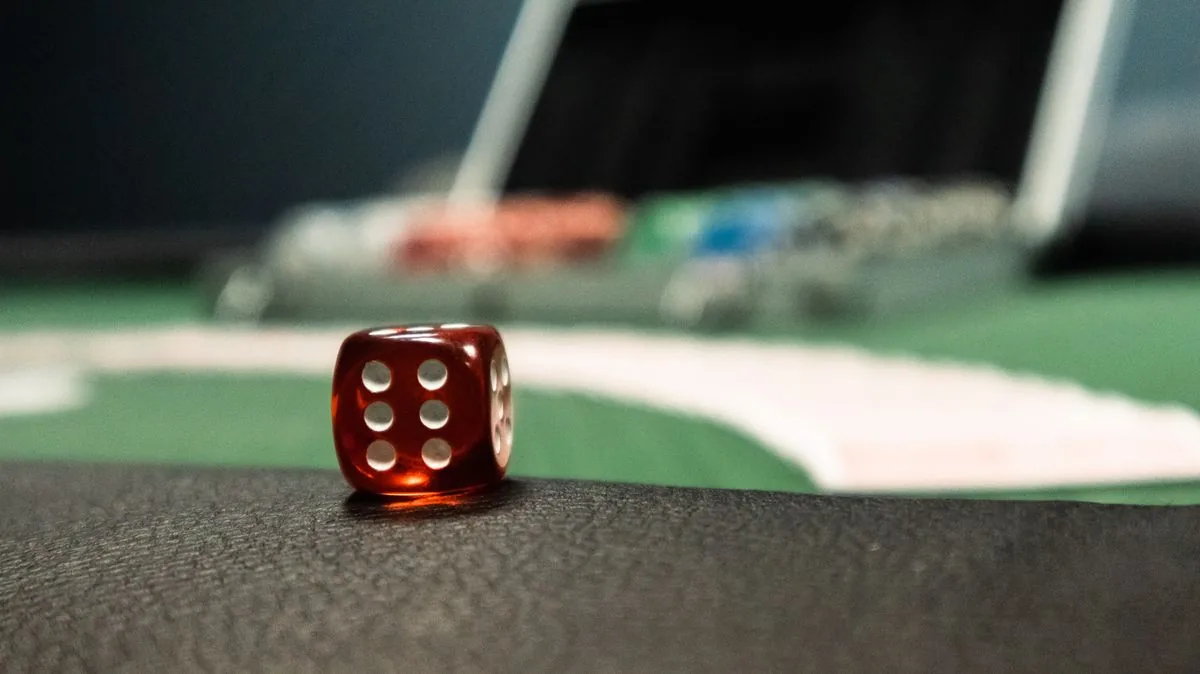
Sic Bo is a dice game of Chinese origin — also known as Tai Sai, Dai Siu or Hi-Lo — played with three dice shaken in a covered chest or, online, simulated by the game software. Bettors place chips on a betting layout predicting what the three dice will show once they settle, and the game's real character comes from how wildly the house edge swings depending on which bet you place, from a genuinely reasonable 2.78% down to over 30% on the flashiest single-number bets.
Big and Small: the closest thing to an even-money bet
Small wins if the three dice total 4 through 10, and Big wins if they total 11 through 17 — both pay even money (1 to 1) and both carry a 2.78% house edge, on par with a standard roulette single-zero bet. The catch that keeps this from being a true coin flip is that any triple (three matching numbers, like 2-2-2) automatically loses both Big and Small bets regardless of what the total would otherwise be, which is the specific mechanic that pushes the probability of winning down to 48.61% instead of an even 50%.
Totals bets: precise, but far worse odds
A Totals bet wagers on the exact sum of all three dice, from 4 up to 17 (3 and 18 aren't valid bets since they can only occur via a triple, which is covered separately). The payout scales with how unlikely that specific total is — a total of 10 or 11, the most common outcomes, pays around 6 to 1, while a total of 4 or 17, the least common non-triple outcomes, pays as high as 50 to 1 at some tables. Even the best-paying Totals bets carry a house edge well above Big/Small, commonly in the 11-18% range depending on the specific total and the house's paytable, because the actual probability of hitting most totals is considerably worse than the payout odds fully compensate for.
Triple and Double bets: the highest house edge on the table
A Triple bet wagers that all three dice will show the same specific number (like triple-6s), typically paying 180 to 1 despite the true odds against it being 215 to 1, which is where Sic Bo's house edge climbs above 30% — among the worst bets in the entire casino, worse even than the poor side bets found in blackjack or Ultimate Texas Hold'em, similar in spirit to how craps table layout explained covers proposition bets in the center of the craps table that carry a comparably steep house edge for a similarly low real probability. A Double bet, wagering that at least two of the three dice show a specific number, pays around 8 to 1 with a house edge closer to 18%, still well above Big/Small but meaningfully better than a straight Triple.
Why the bet you choose matters more than the game itself
Sic Bo's structure means the same table can offer a genuinely reasonable bet and a terrible one side by side, so the specific bet chosen matters far more to long-run outcomes than which casino or software provider is running the game. A player sticking to Big and Small bets exclusively is playing at a house edge roughly comparable to European roulette, while a player chasing Triple bets for their headline payout multiplier is playing one of the worst house edges available anywhere in a casino — the same three dice, the same table, and a dramatically different expected loss depending purely on which chip goes where.
FAQ
- What's the safest bet in Sic Bo? Big and Small bets carry a 2.78% house edge, the lowest available at the table, comparable to a single-zero European roulette bet. Any triple automatically loses both Big and Small regardless of the total.
- Why does a Sic Bo Triple bet have such a high house edge? A specific Triple typically pays 180 to 1, but the true odds against it are 215 to 1 — the payout doesn't fully compensate for how unlikely the outcome is, pushing the house edge above 30%, among the worst bets in the casino.
- Can you bet on a dice total of 3 or 18 in Sic Bo? No — a total of 3 or 18 can only happen via a triple (1-1-1 or 6-6-6), so those totals aren't offered as separate Totals bets; they're covered by the Triple bet category instead.
Related guides
- Craps table layout and bets explained
- House edge explained
- Roulette european vs american explained
- Baccarat basic strategy explained