
Keno explained (the lottery-style game with one of the highest house edges in the casino)
Last updated: 2026-07-30 · Written by Priya Nair
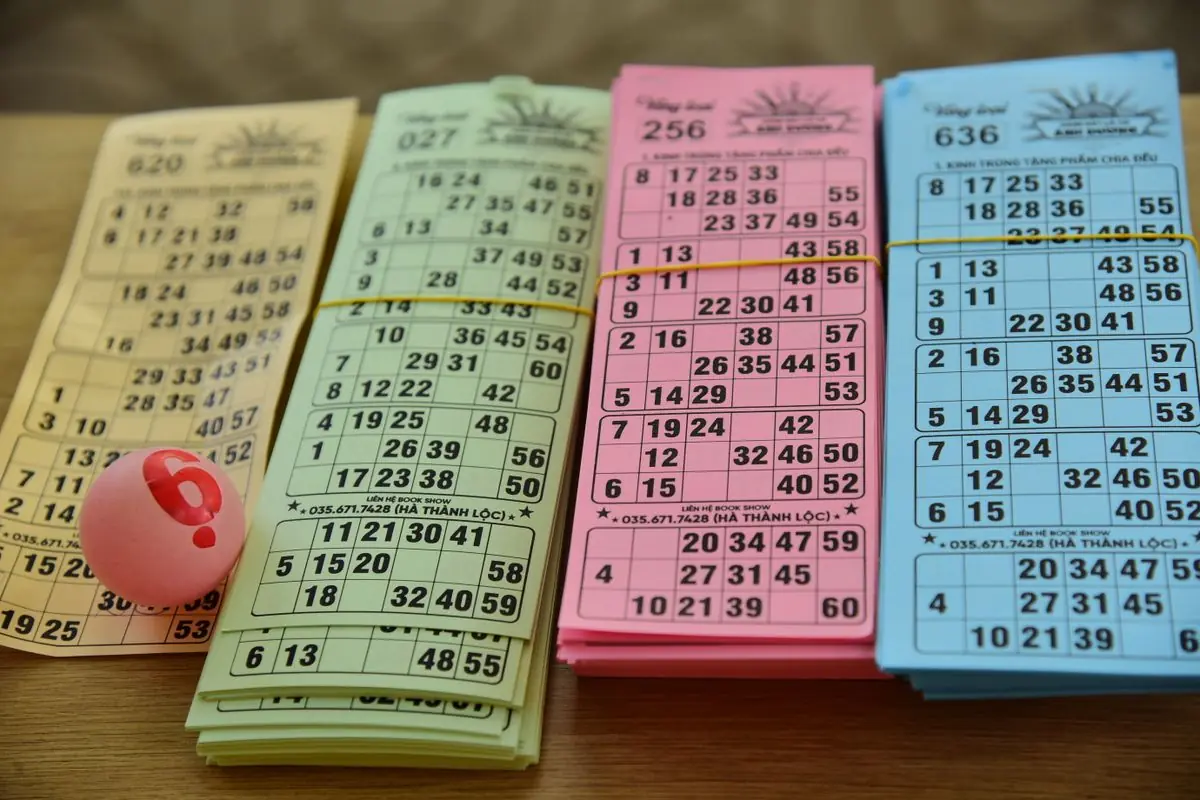
Keno is a lottery-style casino game played on an 80-number board: a player picks a set of numbers, called spots, and the casino then draws 20 numbers at random, paying out based on how many of the player's picks match the draw. It's simple to learn in a minute and requires no skill during the draw itself, but that simplicity comes with one of the steepest house edges of any game on the casino floor.
How a round actually works
A player selects a set of numbers from the 1-80 board — typically choosing between 10, 12 or 15 spots, though some formats allow up to 20 — and places a wager on that specific selection. The casino (or the game's random number generator online) then draws 20 numbers, and the payout depends entirely on how many of the player's chosen spots appear among those 20 drawn numbers. Unlike blackjack or poker, there's no decision-making during the draw itself; the entire game is settled by how many of the pre-selected numbers match.
Why the odds get dramatically worse as spot count rises
The probability of matching numbers drops sharply as a player picks more spots and needs more of them to hit. Landing at least two numbers out of a typical selection carries roughly a 25.9% chance, while hitting six specific spots out of a larger selection carries odds around 1 in 7,753, and matching all 10 numbers in a 10-spot ticket carries odds near 1 in 8.9 million. Payout tables are structured so the prize grows disproportionately with higher matches specifically because those matches are so rare — the headline jackpot number on a keno paytable looks tempting precisely because it almost never happens.
Why the house edge swings so wildly between venues
Keno carries one of the widest house edge ranges of any casino game, commonly cited between 20% and 40% at physical venues — among the worst odds available anywhere on a casino floor, worse even than the high end of Sic Bo's Triple bet discussed elsewhere on this site. Online keno variants can carry a meaningfully lower house edge, in some cases down near 5%, because digital operators face lower overhead running the draw and can afford tighter paytables to stay competitive. The gap between a live keno lounge and an online keno game is genuinely one of the largest edge differences between two versions of the same casino game.
Why the specific paytable matters more than the game rules
Because the core rules of keno (pick numbers, match a 20-number draw) are essentially identical everywhere, the actual expected loss on any given ticket is determined almost entirely by the specific paytable a casino or site is offering for that spot count — payouts for the identical number of spots matched can vary by 30% or more between operators. Checking the exact paytable before playing, rather than assuming keno pays roughly the same everywhere, is the single most useful piece of information for understanding the real cost of a ticket, since two casinos offering the exact same game with different paytables can have meaningfully different house edges on paper-identical bets.
FAQ
- How many numbers do you typically pick in keno? Most formats let a player choose between 10, 12 or 15 spots from an 80-number board, though some variants allow choosing up to 20. The casino then draws 20 numbers at random.
- Why is keno's house edge so much higher than most casino games? Physical-venue keno commonly carries a 20-40% house edge, among the highest of any casino game, because the payout tables don't fully compensate for how rare it is to match many numbers. Online keno variants can carry a meaningfully lower edge, sometimes near 5%, due to lower operating costs.
- Does the house edge stay the same across every keno game? No. Payouts for the same number of spots matched can vary by 30% or more between different operators' paytables, so the actual house edge depends heavily on the specific paytable offered rather than being fixed by the game's basic rules.
Related guides
- Sic bo explained
- House edge explained
- Craps table layout and bets explained
- Roulette european vs american explained