
Pari-mutuel betting explained (why horse racing odds aren't actually fixed until post time)
Last updated: 2026-07-30 · Written by Priya Nair
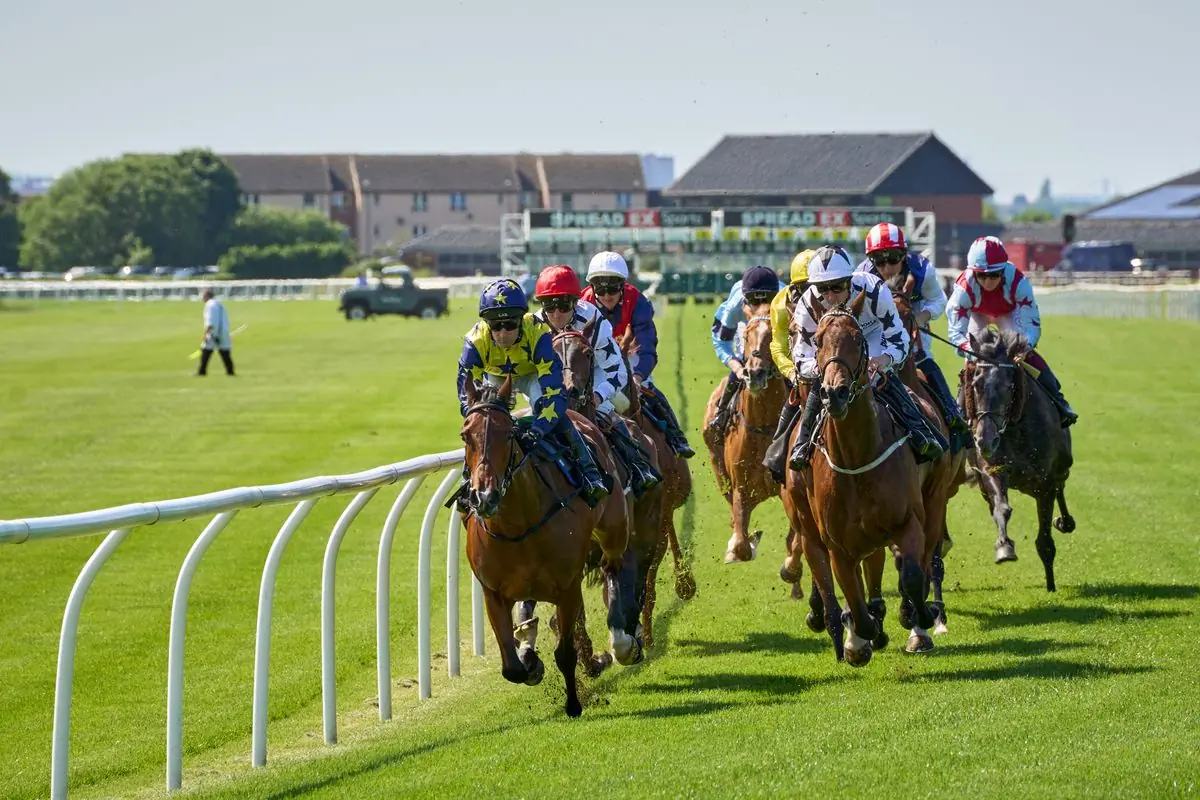
Pari-mutuel wagering is the system nearly all horse racing runs on, and it works fundamentally differently from a fixed-odds sportsbook bet. There's no bookmaker setting a price and taking the other side of the wager — every bet on a race goes into one shared pool, and what a winning ticket actually pays depends on how the entire pool of bettors, not any single operator, split their money across the field.
The pool: every bet is a share, not a wager against the house
In a pari-mutuel system, a $2 win bet on a horse is effectively buying a share of that horse's performance in a shared pool that includes every other win bet placed on the race. There's no house taking the opposite side and no fixed price locked in the moment the bet is placed — the pool simply accumulates all the money wagered on that market until the race goes off, and the track keeps a percentage (the takeout) before splitting the remainder among the winning tickets.
Takeout: the track's cut, and why it varies by bet type
The takeout is the track's commission, deducted from the pool before any payouts are calculated, and it isn't a flat number across every bet type. A standard win-bet takeout runs around 16%, while exotic wagers with much larger potential payouts, like trifectas, commonly carry a takeout above 20% — the more selections a bet requires to get right, the higher the commission tends to run, since these pools attract fewer total dollars relative to the number of possible winning combinations.
Why the odds keep changing right up to post time
Because the payout depends on how the pool is split, not on a price a bookmaker sets in advance, pari-mutuel odds shift continuously as new money comes in — a horse listed at 6/1 in the morning can easily drift down to 2/1 by post time if a large share of the pool's money lands on it, since more money on one horse means a smaller payout per share for everyone backing it. This is the core structural difference from fixed-odds betting, covered in how betting odds work: a fixed-odds bet locks in the price the moment it's placed, while a pari-mutuel bet's actual payout isn't determined until the pool closes at post time, regardless of what the odds showed when the ticket was bought.
What this means for reading the board
The odds displayed at any point before post time are a live snapshot of how the pool is currently split, not a locked-in number — the betting public collectively determines a horse's final price, which is why sharp bettors watch how the pool moves in the final minutes rather than treating an early number as fixed information. A horse that looks like reasonable value early can become a worse bet by post time purely because enough other money arrived on it, and the reverse is equally true: a horse drifting upward as post time nears is often a horse the pool is losing confidence in, independent of anything happening on the track itself.
FAQ
- What is pari-mutuel betting? A pooled wagering system, used in almost all horse racing, where every bet on a race goes into a shared pool rather than against a bookmaker. The track deducts a commission (the takeout), then splits the remainder among winning tickets based on how the pool was split.
- Why do horse racing odds keep changing before the race starts? Because the final payout depends on how all the money in the pool is split, not a price fixed in advance. As more money comes in on a horse, its payout per share shrinks, so the displayed odds shift continuously right up until post time.
- How much does the track take out of a pari-mutuel pool? It varies by bet type — a standard win-bet takeout runs around 16%, while exotic wagers like trifectas commonly carry a takeout above 20%, since those pools attract fewer total dollars relative to the number of possible winning combinations.
Related guides
- Horse racing betting explained
- How betting odds work
- Nascar auto racing betting explained
- Why betting odds move line movement explained